
Comparing Steel and Wood Post Costs: What You Need to Know
When planning a fence, one of the biggest decisions is choosing the right posts. Posts hold your fence up and keep it stable. Two common options are steel and wood fence posts. Each has its own cost factors. Understanding these costs helps you make the best choice for your property. I will break down the costs and other important details to help you decide.
Understanding Steel and Wood Post Costs
Steel and wood posts differ in price, installation, and maintenance. Knowing these differences helps you budget correctly.
Steel Post Costs
Steel posts usually cost more upfront than wood. Prices vary depending on the type of steel and size. On average, steel posts range from about $10-$40 more than pressure treated posts. Galvanized steel posts resist rust and last longer, which can increase the price.
Installation costs for steel posts can be higher. Steel posts often require special tools or equipment to set them in the ground. This can add $5 to $15 per post in labor.
Maintenance costs for steel posts are low. They do not rot or get eaten by insects. You may need to repaint or treat them to prevent rust over time, but this is minimal.
Wood Post Costs
Wood posts are usually cheaper upfront. Prices range from $30-$90 per post depending on the wood type. Pressure-treated wood is common and resists rot better than untreated wood.
Installation is generally easier and less expensive. Wood posts can be set by hand or with basic tools. Labor costs are often lower, around $3 to $10 per post.
Maintenance costs for wood posts are higher. Wood can rot, warp, or get damaged by insects. You may need to replace posts every 5 to 10 years. Treating wood with sealants or preservatives adds to maintenance costs.
Comparing Long-Term Costs
While wood posts cost less initially, steel posts may save money over time. Steel posts last longer and need less maintenance. Wood posts may require replacement or repairs, increasing total costs.
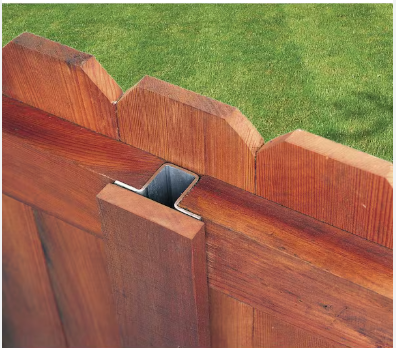
Steel posts offer durability and low maintenance.
Should Steel Fence Posts Be Set in Concrete?
Setting steel posts in concrete is a common question. The answer depends on your soil, fence type, and local conditions.
Concrete provides extra stability. It helps keep posts upright and prevents shifting. This is important in loose or sandy soil. Concrete also protects the post base from moisture, reducing rust risk.
However, concrete can trap moisture against steel posts. This may cause rust if the post is not properly coated or galvanized. Some experts recommend using gravel or crushed rock at the base instead. This allows drainage and reduces rust risk.
For most fences, setting steel posts in concrete is a good idea. It adds strength and stability. Just make sure the posts have a protective coating. If you live in an area with heavy clay soil or poor drainage, consider alternatives like gravel.
Wood posts are almost always set in concrete. This prevents rot at the base and keeps the post stable.
Installation and Labor Costs for Steel and Wood Posts
Installation costs vary by material and site conditions. Labor is a big part of the total cost.
Steel Post Installation
Steel posts require more effort to install. You may need a post driver or power auger. Driving steel posts into hard soil can be tough without the right tools.
Labor costs for steel post installation range from $10 to $25 per post. This includes digging, setting, and securing the post.
Wood Post Installation
Wood posts are easier to install. You can dig holes with a manual post hole digger or power auger. Setting wood posts in concrete is straightforward.
Labor costs for wood post installation range from $5 to $15 per post. This is usually less than steel post installation.
Site Conditions Affect Costs
Rocky or hard soil increases installation difficulty for both types. Steep slopes or uneven ground also add to labor time.
Planning for these conditions helps avoid surprises in your budget.

Wood posts are easier to install in most soil types.
Durability and Maintenance Costs Over Time
Durability affects long-term costs. You want posts that last and need little upkeep.
Steel Post Durability
Steel posts resist rot, insects, and warping. Galvanized or coated steel lasts 20 years or more. Rust can be a problem if the coating is damaged.
Maintenance is minimal. Occasional painting or rust treatment may be needed. Steel posts rarely need replacement.
Wood Post Durability
Wood posts last 5 to 15 years depending on type and treatment. Pressure-treated wood resists rot better but still degrades over time.
Wood posts require regular maintenance. Sealants or stains protect against moisture. Termite treatment may be necessary in some areas.
Replacing wood posts adds to long-term costs. You may need to replace several posts over the fence’s life.
Making the Right Choice for Your Fence
Choosing between steel and wood posts depends on your budget, fence style, and site conditions.
If you want a low-maintenance, long-lasting fence, steel posts are a good investment.
If you prefer a traditional look and lower upfront cost, wood posts work well.
Consider soil type and climate. Steel posts with concrete work best in loose soil. Wood posts need good drainage and regular care.
Factor in labor costs. Steel post installation is more expensive but may save money over time.
Think about the fence style. Wood posts suit classic wood fences. Steel posts fit well with wire or chain link fences.
For a detailed comparison, check out this steel fence posts vs wood resource.
Final Thoughts on Steel and Wood Post Costs
Both steel and wood posts have pros and cons. Steel posts cost more upfront but last longer and need less maintenance. Wood posts are cheaper initially but may require more upkeep and replacement.
Evaluate your property, budget, and fence goals carefully. Proper installation and maintenance extend the life of any fence post.
Choosing the right posts helps ensure your fence stays strong and secure for years. This protects your property and adds value.
If you want a durable, secure fence with expert craftsmanship, consider all factors before deciding. Your fence is an investment. Make it count.


Comments